What’s New with Regs: EPA SNAP Rules – On again, off again, on again??

In this episode, we are joined by Emerson’s Don Gillis who is a lead instructor from Emerson’s educational services. Today, we answer the question regarding what the US has done to phase down HFCs. We explore this question by going through the EPA’s SNAP Rules, what they mean, and how they affect the industry, specifically technicians. We also discuss the history of these SNAP rules and the effects that they have on HFCs.

Host: Lindsay Headings, Digital Marketing and Content Manager, Emerson
Co-Host: Jennifer Butsch, Director of Regulatory Affairs, Emerson
Guest: Don Gillis, Lead Technical Instructor for Copeland Educational Services, Emerson

Timestamps:

  • 0:09 – Welcome
  • 0:49 – Introduce Don Gillis
  • 2:00 – Emerson education services
  • 3:33 – What has the U.S done to phase down HFCs?
  • 3:56 – EPA & SNAP Rules
  • 6:28 – Technicians response to the new SNAP Rules
  • 14:07 – Vacating SNAP Rule 20 and 21

Next Episode: “State by State” – the U.S. Climate Alliance and CARB
Previous Episode:
Kigali Amendment: Phase down, not out

NATE Certified HVAC Professional (CHP-5) Program

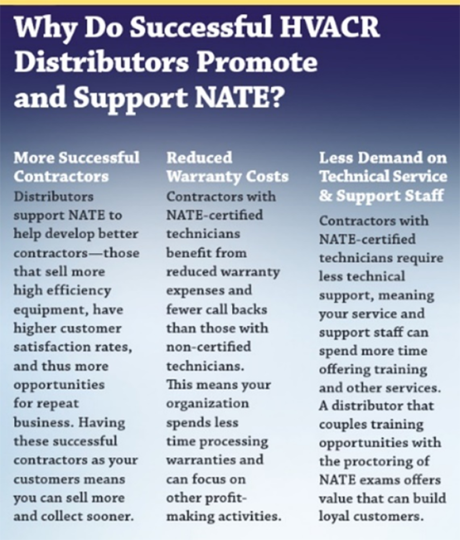
NATE (North American Technician Excellence) offers various certifications for technicians that allows them to excel and advance in their career. NATE’s certification program is designed to help HVACR employers hire, train and develop the most qualified technicians possible. They do this by providing a clear path to professional development and certification through easy to follow steps.

These certifications are something that technicians should highly consider taking part in for multiple reasons.

  • Contractors prefer NATE-certified technicians because they remain in the industry longer, have the proven knowledge to do the job right the first time and are more productive than non-certified technicians
  • Manufacturers and distributors know that NATE certification encourages proper installation and service, which means fewer warranty returns and, ultimately, a better bottom line.
  • Educators and trainers benefit from NATE certification’s uniform testing standard.
  • Utilities appreciate NATE certification’s focus on correctly installing and servicing sophisticated HVACR equipment, which saves energy and money when operating at peak efficiency.
  • Consumers look for NATE certification because it ensures that a knowledgeable, well-trained and highly experienced technician will service their home heating or cooling system.

In addition to these factors, NATE certified technicians also earn higher than average salaries, are considered more valuable to their employers, are in higher demand, and provide customers with peace of mind.

So, how do you become NATE certified? First, you should select what program you want. NATE offers numerous certifications that are divided into installation and service and senior categories. You can find all of the certifications that NATE offers here. Once you choose which certification you would like, you can take the 50-question Core exam and 100-question Specialty exam or you now have the option to take five 30-question exams with NATE’s newest certification pathway, the Certified HVAC Professional (CHP-5). This allows you to choose which pathway is best suited towards you and your learning style.

Once you pass your tests, you will receive your official NATE certification credentials which include:

  • A NATE certificate and wallet card
  • A complimentary NATE patch
  • A Quick Reference Guide to help you manage your NATE certification

We want to provide customers with the best technicians and NATE offers certifications that provide well-rounded, knowledgeable technicians that allow customers to have peace of mind and satisfy their needs.

chp-5

“Stakeholders throughout the HVAC Industry value chain benefit from NATE technician certification,” said Briggs. “Manufacturers and distributors benefit because NATE certification encourages proper installation and service, which means fewer warranty returns and, ultimately, a better bottom line. Contractors recognize that NATE-certified technicians remain in the industry longer, have the proven knowledge to do the job right the first time, and are more productive than noncertified technicians. Educators and trainers benefit from the uniform testing standard of NATE certification.”

source: Valerie Briggs, Director of Marketing and Business Development, NATE | NATE Certification Affirms Contracting Competency | ACHRNEWS

Tech Experts Edition: Hard Start Kits

In this episode, we answer the question of the week from the previous episode, “Does a residential AC scroll need a hard start kit?” John & James answer this by walking through different scenarios in which you would and would not need a hard start kit for your system. We also discuss different resources that can be used to understand this topic a little better such as Copeland Mobile, AE Bulletins, OPI, and calling the service helpline.

Host: Lindsay Headings – Digital Marketing and Content Manager, Emerson

Co-hosts:

  • James Stevenson – Technical Service Engineer, Emerson
  • John Roberts – Technical Service Engineer, Emerson

Timestamps:

This episode’s question of the week is now CLOSED. Our lucky winner is John Holloman. Congrats John!

Would you like the Tech Experts to discuss a specific topic? Tell us below!


Next Episode: Emerson Digital Tools & Resources
Previous Episode:
6 and 9 Lead Motors

What’s New with Regs: Kigali Amendment: Phase down, not out

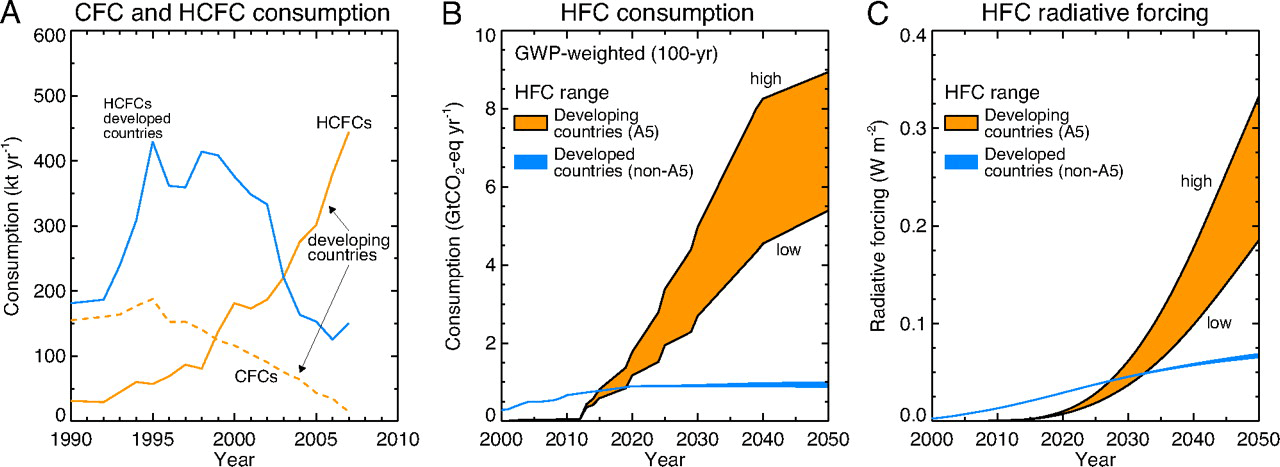
In this episode, we are joined by Emerson’s Dr. Rajan Rajendran who is the V.P. of Systems Innovation Center and Sustainability. Today we answer the question, “Why are HFC’s not a good permanent solution?” We also discuss the greenhouse effects and how ozone-depleting gasses such as HFC’s are related to this. In addition, we explore the proliferation of refrigeration around the globe and the Kigali phase down and how it works.

Host: Lindsay Headings, Digital Marketing and Content Manager, Emerson
Co-Host: Jennifer Butsch, Director of Regulatory Affairs, Emerson
Guest: Dr. Rajan Rajendran, Vice President of Systems Innovation Center and Sustainability, Emerson

Timestamps:


Next Episode: EPA SNAP Rules
Previous Episode: Refrigerants – Where are we now?

Tech Experts Edition: 6 and 9 Lead Motors

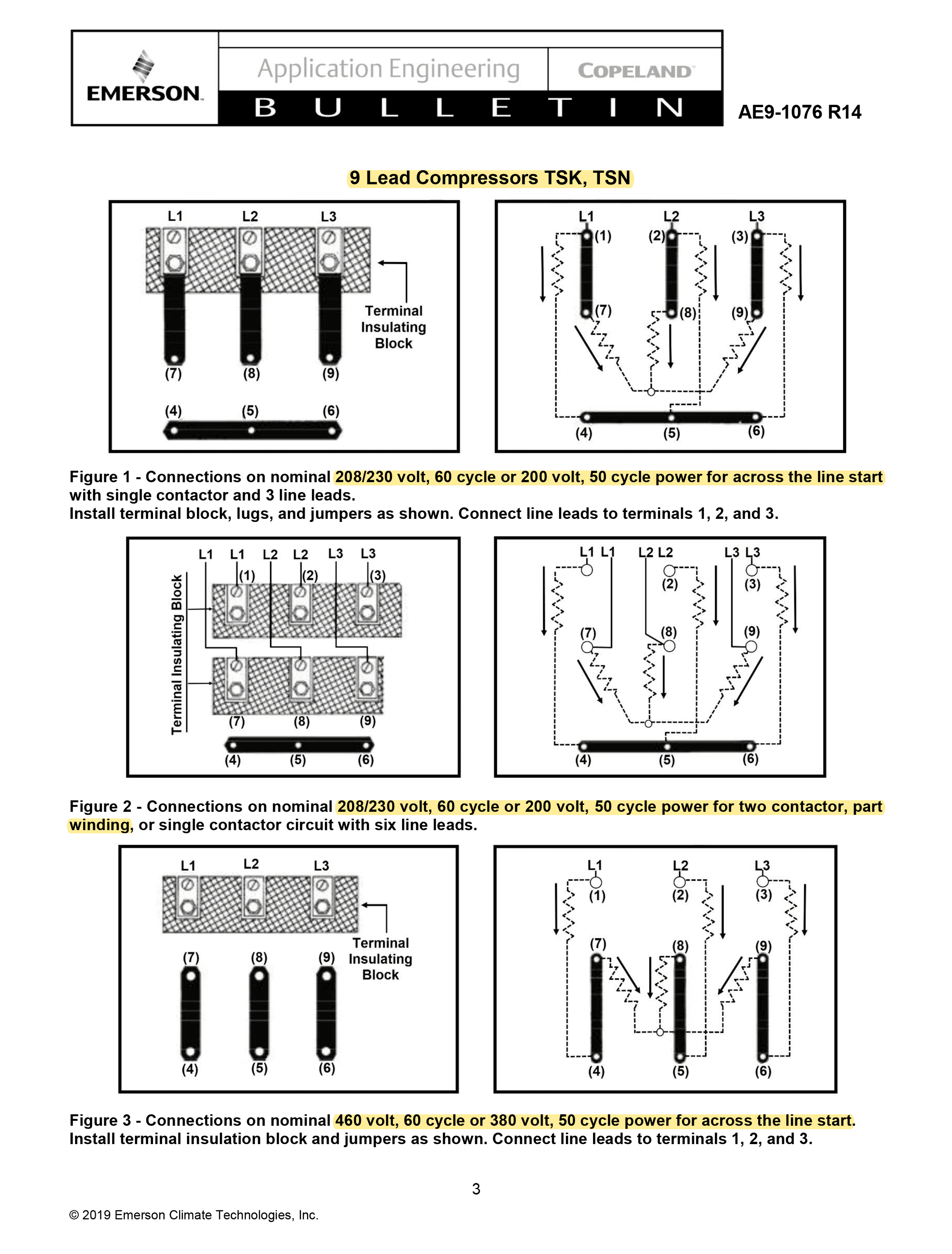
In this episode we answer the question from the previous episode, “When working with a semi-hermetic compressor, can you replace a compressor with an FSD motor with a TSK motor?” We answer this by discussing 6 and 9 lead motors and talking through multiple AE bulletins and visual aids that help with understanding this complex topic.

Host: Lindsay Headings – Digital Marketing and Content Manager, Emerson

Co-hosts:

  • James Stevenson – Technical Service Engineer, Emerson
  • John Roberts – Technical Service Engineer, Emerson

Timestamps:

This episode’s question of the week is now CLOSED. Our lucky winner is David Dowen. Congrats David!

Would you like the Tech Experts to discuss a specific topic? Tell us below!


Next Episode: Hard Start Kits
Previous Episode: 
Do you know your nomenclature?

What’s New with Regs: Refrigerants – Where are we now?

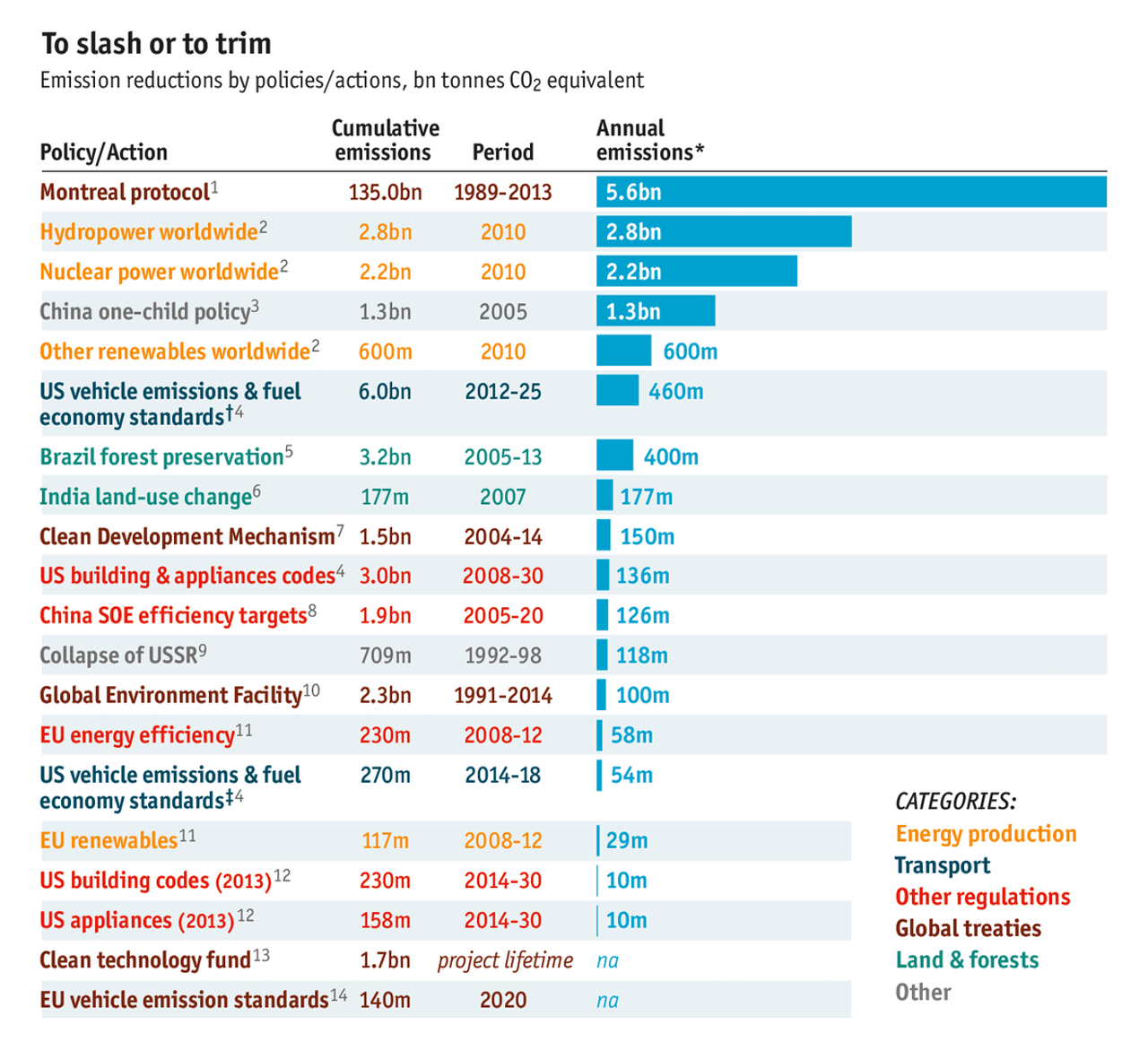
In this episode, we are joined by Emerson’s Dr. Rajan Rajendran who is the VP of Systems Innovation Center and Sustainability. Today we answer the question, “Is it still legal for me to charge my R-22 system.” In addition, we explore the reasoning behind the phase-out of the R-12 and R-22 and the effects caused by this decision. We also discuss the Montreal Protocol and how this relates to the phase-outs.

Host: Lindsay Headings, Digital Marketing and Content Manager, Emerson
Co-host: Jennifer Butsch, Director of Regulatory Affairs, Emerson
Guest: Dr. Rajan Rajendran, Vice President of Systems Innovation Center and Sustainability, Emerson

Timestamps:

  • 0:10 – Welcome
  • 1:05 – Who’s Rajan?
  • 4:14 – Why phase out R-12 & R-22?
  • 8:02 – How the phase-out works
  • 10:30 – “Is it still legal to charge my R-22 system?”
  • 12:15 – Impacts of the phase-out
  • 14:11 – New question of the week
  • 14:45 – Useful resources

Next Episode: Kigali Amendment: Phase down, not out
Previous Episode: 
What’s New with Regs? – Introduction

Tech Experts Edition: Do you know your nomenclature?

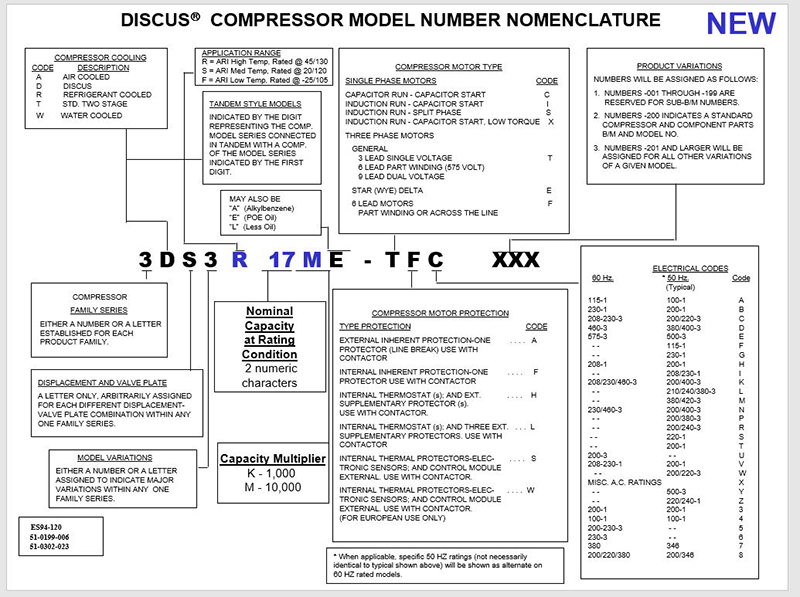
This podcast is the second episode in our “Tech Experts” series. In this episode, we walk through how one would find the replacement for the CR53KQE-PFV-270 by using the Copeland mobile app. We also discuss the importance of the bill of materials, the difference between refurbished and remanufactured compressors, and Copeland nomenclature.

Host: Lindsay Headings – Digital Marketing and Content Manager, Emerson

Co-hosts:

  • James Stevenson – Technical Service Engineer, Emerson
  • John Roberts – Technical Service Engineer, Emerson

Timestamps

  • 00:10 Welcome
  • 01:28 Question of the week answer “What replaces a CR53KQE-PFV-270?”
  • 06:30 Importance of bill of materials
  • 09:28 800 Bill of material significance
  • 09:48 Difference between refurbished vs. remanufactured compressors
  • 13:16 Copeland nomenclature
  • 16:13 New question of the week

Applications and links in the discussion:

This episode’s question of the week is now CLOSED. Our lucky winner is Bill Reidinger. Congrats Bill!

Would you like the Tech Experts to discuss a specific topic? Tell us below!


Next Episode: 6 and 9 Lead Motors
Previous Episode: How to get in contact?

What’s New with Regs: Introduction

This episode is the very first in our new “What’s New with Regs” podcast series with our Regulatory Affairs Manager, Jennifer Butsch. In this episode we introduce Jennifer and who she is, what she does, and why regulations on refrigerants and energy efficiency are so important within the industry.

Host: Lindsay Headings, Digital Marketing and Content Manager, Emerson

Co-Host: Jennifer Butsch, Director of Regulatory Affairs, Emerson

Timestamps:

  • 0:09 – Welcome
  • 1:07 – Who is Jennifer?
  • 2:00 – How regulations impact the industry
  • 3:28 – How regulations affect health and wellness
  • 4:20 – Regulations regarding residential vs. commercial
  • 5:38 – Regulations within businesses
  • 7:28 – Question of the Week: “Is it still legal to charge my R-22 system?”

Next Episode: Refrigerants – Where are We Now?

Moving Forward with Flammable Refrigerants

Originally published on www.acca.org

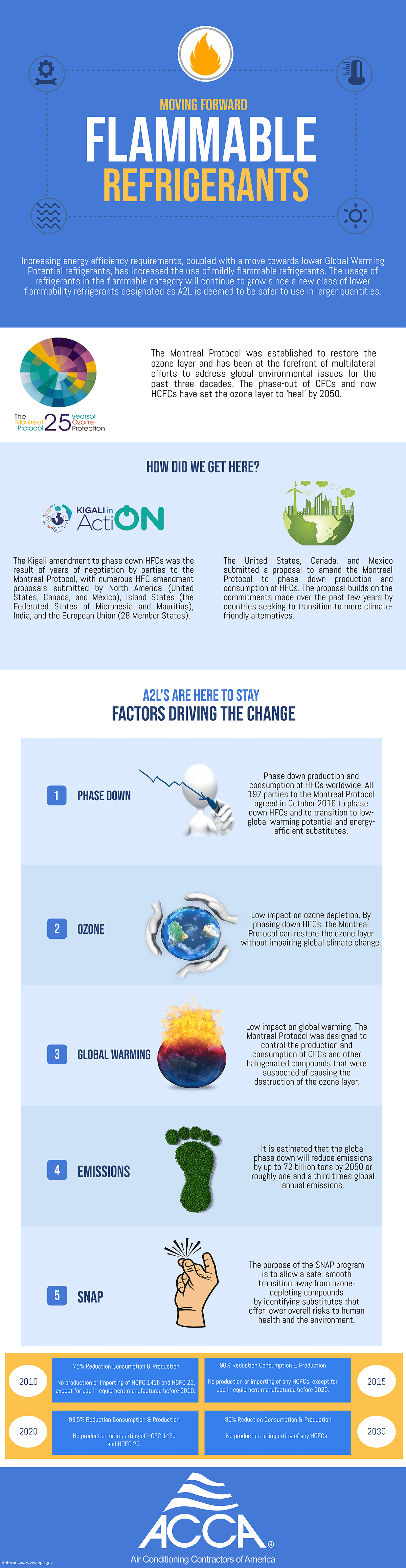
As global, national, and state regulations have targeted the phase-down of HFCs, the industry has seen a shift toward alternative refrigerants with lower global warming potential (GWP). While more environmentally friendly, many of these emerging options bear a degree of flammability. Air Conditioning Contractors of America’s Moving Forward with Flammable Refrigerants infographic, is an excellent resource to help contractors understand what is driving this transition.

To download the infographic in pdf, please click here.

Becoming an RSI Accredited Contractor Gives You an Advantage

As an HVAC contractor, earning credentials can provide an upper hand within the industry since many builders are searching for contractors that possess numerous accreditations. ACCA, HVAC’s premier trade organization, provides contractors the opportunity to earn these credentials through their Quality Assured Program.

Read the article, “Becoming an RSI Accredited Contractor Gives You an Advantage” by Air Conditioning Contractors of America, to learn more about the multiple accreditations you can earn through this program and how they will set you apart from your competitors.

Originally published on www.acca.org/browse/blogs

Becoming an RSI Accredited Contractor Gives You an Advantage

By: Sean Tolbert, Quality Assured Program Support Specialist

As an HVAC business professional, your business needs to take advantage of the value of maintaining a close relationship with a professional trade association. ACCA is the HVAC’s premier trade organization that offers HVAC contractors the opportunity to become accredited for the New Homes Program and Residential Service and Installation (RSI) Program through our Quality Assured Program. Becoming an accredited contractor is a great way to grow your project opportunities. Many builders are looking for HVAC Contractors that are ENERGY STAR Credentialed and being accredited through our QA Program is the leading way to earn that credential. Also, ACCA’s QA accreditation helps to establish a level of trust that makes new customers confident in their choice to work with your company.

Contractors participating in the Existing Homes (RSI) Program can prove to their clients in the residential replacement marketplace that they follow the acceptable guidelines for quality HVAC installation. By becoming an RSI accredited contractor, you are taking a step forward in setting yourself apart from your competitors. Every day, builders and consumers use ACCA’s QA Contractor Locator at https://hvac-contractors.acca.org/qa-contractors to find the right HVAC contractor for their projects and heating and cooling needs. Because of the solid industry reputation of ACCA, builders, and consumers that utilize this tool are generally searching for a contractor to do the job right. The QA Contractor Locator is a great feature that will feed your business leads because consumers and builders can verify if your company is accredited as a New Homes and/or RSI contractor. With summer approaching, and with more aging HVAC systems, residential replacement jobs will be on the rise, and your business will want to be in our directory. It is a great benefit!

Once you become an RSI accredited contractor, you now have the distinction of being able to obtain Energy Star Verified HVAC Installation (ESVI) certificates! These certificates can be used on retrofit projects that follow the ACCA QI 5 Standard. HVAC contractors can get more information on how to obtain this valuable certificate on our website at https://www.acca.org/qa/existing-homes. In addition to the ESVI Certificate, and upon verification of a successful installation, you will receive a Quality Installation Certificate from the QA Program that also assures you that the HVAC system that you installed meets the requirements for compliance to the ACCA QI 5 Standard. It is a simple way to show your customer that you provide quality work. This will distinguish you from the competition that may just do an installation without a way to show their customer that they do quality work. If ACCA can help promote your business success as a contractor that performs a Quality Installation, then at any time you may use the QI Mobile App to inform us of any quality installation projects you have.

You will certainly find value in our Quality Assured accreditation program. From the recognition on our QA Contractor Directory to the ability to use our QI Mobile App for projects, and the ability to obtain and issue QI and ESVI Certificates, our QA Program sets your company apart from the competition. The process of applying for accreditation is simple, and typically new applicants complete the process within 1 week. To apply for accreditation, you can go to our website at https://www.acca.org/qa/apply. If you have any questions you can email us at qaprogram@acca.org or call us at 703-824-8877.


Read Next: Online HVACR Training Resources for Contractors

online hvacr training