Copeland HVACR Influencer Event: Part 1 – Using Passion + Social to Connect the Industry

HVAC influencerIn this episode, Lindsay Headings talks with HVACR industry experts Tersh Blissett, Michael Mayberry, Eddie McFarlane, Jerry Rollins, Bryan Orr, and Bill Spohn at The Helix Innovation Center in Dayton, Ohio. Jessica Bannister also joined remotely. The conversation included personal back-stories from the experts, such as their passion for HVACR and how that led them to starting their social channels and communities.

Host: Lindsay Headings, Digital Demand Lead, Copeland
Guests:

  • Tersh Blissett
  • Michael Mayberry
  • Eddie McFarlane
  • Jerry Rollins
  • Bryan Orr
  • Bill Spohn
  • Jessica Banister


Timestamps:

  • 0:00 – Welcome
  • 0:09 – Lindsay’s opening remarks
  • 1:37 – Eddie and Jerry’s background
  • 3:18 – Eddie and Jerry’s passion for the industry
  • 6:00 – How Toolshed came to be
  • 9:19 – Introduction to Bill and TruTech Tools
  • 11:25 – Bill’s take on building performance in HVACR
  • 12:51 – Michael’s background
  • 20:40 – HVAC Refer Guy philanthropy
  • 22:03 – Michael’s transformative personal story
  • 27:41 – Jessica’s background and passion for the industry
  • 31:31 – Transparency of HVACR challenges
  • 35:36 – Bryan’s background
  • 37:03 – Bryan’s passion for the trade
  • 38:23 – Gaps that HVAC School addresses
  • 41:08 – Variety of opportunities in HVACR
  • 45:53 – Tersh’s introduction
  • 49:45 – Service Business Mastery Podcast origin and content
  • 52:24 – Lindsay’s closing statement

Here are the influencers’ social channels:

Tersh Blissett
Instagram – @tershblissett and @Service Business Mastery Podcast
Facebook – @Service Business Mastery Podcast
LinkedIn – @Tersh Blissett

Michael Mayberry
Instagram – @hvac_refer_guy
Youtube – @HVAC_REFER_GUY
Facebook – @HVACREFERGUY
LinkedIn – @Mike (HVACREFERGUY LLC) Mayberry

Eddie McFarlane
Youtube – @Toolshed and @McFarlane Minute
Facebook – @Toolshed
LinkedIn – @Edward McFarlane

Jerry Rollins
Youtube – @Toolshed
Facebook – @Toolshed
LinkedIn – @Jerry Rollins

Bryan Orr
Instagram – @hvacschool
Youtube – @HVAC School
Facebook – @hvacrschool
LinkedIn – @Bryan Orr

Bill Spohn
Website – hvacrschool.com
Youtube – @TruTech Tools
Facebook – @TruTechTools
Twitter – @TruTechTools

Jessica Bannister
Instagram – @hvacjess
Website – hvacjess.com
Facebook – @HVACjess1
TikTok – @hvacjess
LinkedIn – @Jessica Bannister

A2L Servicing Best Practices

Back to basics for technicians when servicing mildly flammable refrigerants

HVACR service technicians find themselves at the forefront of the refrigerant transition in AC and commercial refrigeration. As hydrofluorocarbon (HFC) refrigerants with high-global warming potential (GWP) are being phased down, mildly flammable A2L refrigerants have been identified as potential lower-GWP alternatives. But information about A2L servicing requirements is largely unknown in the U.S., which raises many questions within the technician community.

A2Ls have been approved by the Environmental Protection Agency’s (EPA) Significant New Alternatives Policy (SNAP) Rule 23 for use in residential AC applications as of June 2021. This includes commonly known R-454B and R-32, which are deemed acceptable subject to use conditions. Although the EPA has not yet approved A2Ls for use in commercial refrigeration, industry stakeholders soon expect further guidance and SNAP approvals.

In 2020, the passing of the American Innovation and Manufacturing (AIM) Act laid the groundwork for the transition to lower GWP refrigerants at the federal level. It grants the EPA the authority to phase down HFCs through supply limitations, sector-based controls and provides guidance on service requirements.

In addition, the California Air Resources Board (CARB) has proposed a 150 GWP limit for new refrigeration systems containing more than 50 pounds of refrigerant in California. If approved by CARB, this mandate would take effect in 2022 and favor the use of leading low-GWP alternatives, including A2Ls.

This regulatory activity is also dependent upon evolving U.S. safety standards and building codes. UL 60335-2-40 established requirements for the use of A2Ls in the AC sector, while UL 60335-2-89 is currently evaluating the potential use cases and charge limits of flammable refrigerants in commercial refrigeration. When finalized, UL 60335-2-89 will ultimately provide the basis of the CARB’s mandate and the EPA’s approval of A2Ls and its definitions of use conditions.

If you’re an HVACR technician, the chances of soon encountering A2Ls is very likely. It’s important to gain a better understanding of A2Ls to maximize safety and assist your customers with installation and service calls.

Thankfully, from a service perspective, the transition from existing refrigerants to A2Ls will not require a fundamental shift in the way you conduct business. However, it will require more rigorous attention to basic servicing fundamentals. Existing recommended best practices for A1 refrigerants will apply — with the addition of a few special considerations, new equipment, and A2L-rated tools.

A2L refrigerant characteristics

A2Ls are considered “mildly flammable” and consist of HFCs, hydrofluoroolefins (HFOs), and various blends of the two synthetic refrigerants. Many of the emerging lower-GWP refrigerants fall into this category and will be used to comply with emerging environmental regulations.

Our industry has already familiarized itself with the concept of flammable refrigerants. The “highly flammable” A3 (propane or R-290) has been used in self-contained refrigeration since the EPA approved it in its SNAP 20 ruling. Comparing the flammability differences between A2Ls and R-290 is important to understanding service considerations and relative safety risks. Consider the following key flammability criteria:

  1. Lower flammability limit (LFL) — A2Ls’ LFL is eight times higher than that of R-290. As such, it is less likely to form flammable concentrations, which allows for potentially larger charge sizes and applications.
  2. Minimum ignition energy (MIE) — R-290 has a very low MIE and can be more easily ignited by lower energy sources such as static electrical discharge. The MIE for A2Ls is significantly higher and requires an open flame or strong electrical energy source to sustain an ignition, making A2Ls safer to use with electrical components.
  3. Heat of combustion (HOC) — HOC is much lower in A2Ls than R-290, resulting in a lower severity of ignition events.

The potential for flammability makes the use of leak sensors and detection equipment a more important system consideration with A2Ls.

Otherwise, A2Ls have very similar characteristics and pressures as common A1 HFC refrigerants, such as R-410. Note that some blended refrigerants, such as R-454B, will have a degree of glide. Overall, servicing A2L equipment requires technicians to follow common refrigerant best practices, use A2L-rated equipment, and wear proper personal protective equipment (PPE).

Servicing best practices

Installation and repair

Compared to installing or repairing A1 refrigerant-based systems, A2Ls introduce three new required steps. However, these are all considered industry-accepted best practices for A1s. So for those already performing these steps, you will notice little change to your standard procedures.
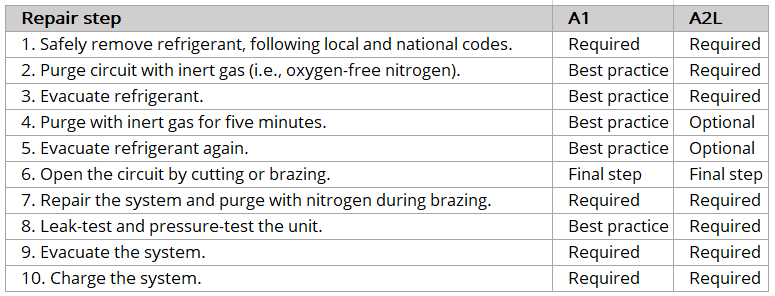
A2L servicingTable 1: Standard repair procedures of A2L systems. Note that purging, evacuation, and leak/pressure tests will be required with A2L repairs/installations.

A2L servicing tools

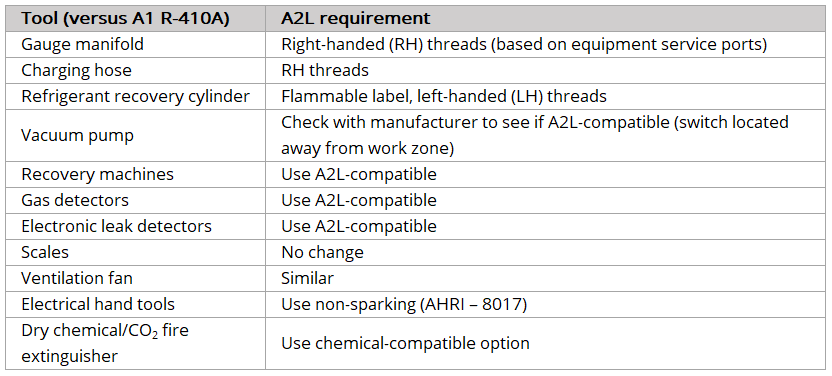
Installation and service tools are also like those used for A1s. However, it’s important to select “A2L-compatible” equipment where specified.
A2L servicing

Table 2: Required tools for A2L systems. While similar tools will be needed to service A2L systems, be sure to use A2L-compatible equipment when applicable.

It’s important to remember that A2Ls are not a drop-in replacement for A1s in existing HFC systems; all HVACR equipment must be designed and rated to use A2Ls. While the process of charging an A2L system is similar to A1s, technicians must ensure that they do not exceed the maximum allowable charge rate.

Note: new safety labels will soon appear on A2L-based HVACR equipment to alert contractors of additional precautions. Some may also include a panel designed to cover service ports. For more information, please visit the Air-Conditioning, Heating, & Refrigeration Institute’s (AHRI) Safe Refrigerant Transition Task Force website (https://www.ahrinet.org/saferefrigerant).

A2L reclaim and recovery

Although A2L cylinders have the same rated pressure as current R-410 cylinders, tanks are designed with several distinguishing characteristics, including:

  • Pressure relief valve — In the event of excessively high cylinder pressure, A2L cylinders include a pressure relief valve that’s designed to only release enough refrigerant to reduce the pressure in that cylinder. Upon release, the valve will reset.
  • Red band/stripe — A2L cylinders will have a red band (stripe) or the entire top painted red to indicate the presence of the mildly flammable refrigerant.
  • Left-hand (LH) thread — To further distinguish from other types of refrigerants, A2L cylinders will most likely have an LH thread.

A2L training is available

Today, industry organizations, manufacturers, and stakeholders are working together to prepare for the wider adoption of A2Ls. At Copeland, we are actively developing A2L-certified compressors, condensing units, and components to support the transition to lower-GWP refrigerants in commercial refrigeration and residential AC applications.

In addition, Copeland Education Services is developing and conducting A2L training seminars as part of our “Fit for the Future” initiative. To prepare your service team to safely install, service, and recover A2L refrigerants, please visit our course schedule.


Read Next: Client Conversations: Explaining 2023 HVAC Regulation Changes to Homeowners
2023 HVAC regulations

Advantages of Modulation: Modulating vs. Single and Two-Stage Furnaces

Advantages of Modulation: Modulating vs. Single and Two-Stage Furnaces

Purchasing a new furnace is a big step, and the choice can either cost you extra over time or save you energy and money. Because of this, it’s important to be in the know about the latest offerings in home-heating technology so you can find the system that best suits your needs. A modulating furnace is a great example, providing both energy and cost savings that will give homeowners the ultimate peace of mind.

What is a Modulated System?

Modulation technology allows a furnace to create just the right amount of heat inside your home, keeping the temperature balanced and comfortable. When your home reaches the set desired temperature, the modulating furnace will adjust in slight increments to maintain that temperature using variable-speed blowers and modulating gas valves.

Too often, rooms feel almost freezing when the air conditioner is on or they become too warm due to indoor humidity, often the primary cause of indoor heating issues. Designed to combat this issue, modulation technology slightly adjusts its output to decrease temperature swings and RH levels throughout the house—all while using the lowest possible setting. This way, you can enjoy a precise set temperature and save on energy costs.

Other types of furnaces commonly offered for households include single-stage and two-stage furnaces:

Single-Stage Furnace: This type of furnace is always either running at its highest speed of operation, using the highest energy levels and pushing out the hottest air, or it is turned completely off (not running). Essentially, a single-stage furnace only has one “on” setting.

Two-Stage Furnace: These furnaces are similar in nature to single-stage, but have two “on” settings: full and reduced speed. This allows air to move at a higher or lower power based on your temperature needs.

In comparison, a modulating furnace goes beyond a two-stage furnace and can have dozens of “on” settings. A modulating furnace begins at full speed, and once your house is sufficiently warm adjusts its settings in slight increments to change the amount of heat being put out. This method is more efficient and budget-friendly and ensures your home stays within one to two degrees of the desired temperature throughout the entirety of your day.

Benefits of Modulation

Homeowners can gain several benefits from higher efficiency systems like modulation that will save on time, trouble, and money down the road.

  • Comfort – With a modulating furnace, you can reach the set temperature point that you prefer and easily maintain that point. Hot and cold spots will no longer be a recurring issue throughout the house, and you can sleep comfortably with less noise and temperature swings throughout the night.
  • Reliability – Heating system components tend to last longer under a modulating furnace since the low-speed settings put less wear and tear on the equipment. Unlike Single- or Two-Stage furnaces, modulating furnaces have the ability to rein themselves in and operate on lower energy levels.
  • Energy and Cost Savings – Modulating furnaces are one of the most cost-efficient options on the market, saving a significant amount of both energy and money. A modulating furnace uses less energy than standard furnaces since it is not operating at 100% capacity when it cycles on and off.

Modulating furnaces provide the comfort and efficiency needed in every home, making them a worthwhile investment. Ask a qualified technician to help you find the best option the next time you are looking at heating systems.


Read Next: Understanding Temperature and Humidity Control with a Modulating HVAC System

HVAC in the Southwest: What’s the Best System for My Home?

Every region throughout the U.S. has different HVAC needs based on their location and climate. The Southwest region is known as a “hot-dry” region due to its extreme summer months and the desert climate. These states tend to have hot, arid summers with temperate winters, requiring equipment that can handle this type of weather.

Due to the warm climate, homes in the Southwest need efficient cooling and dehumidifying systems as well as an option for light winter heating. While the majority of homes continue to use central cooling and heating systems, heat pumps are also widely used in the Southwest as an ideal solution for the mild winters. The popularity of heat pumps has grown, especially in recent years, as a commonly used cooling and heating technology in the South.

Central Systems

Most households across the U.S., regardless of region, tend to depend on central heating and cooling to regulate interior temperatures. While central furnaces have seen a slight usage decline in recent years due to more heat pump installations (65% to 61% between 2001 and 2015), they continue to dominate the HVAC market across North America.

Central air conditioning commonly uses a split system, which includes both an outdoor and indoor unit that pumps refrigerant through the system. As warm air blows across the indoor evaporator coil, it transfers to the refrigerant stored inside the coil which cools the air. The absorbed heat is taken outside of the home and deposited, while the cool air is distributed throughout the house.

Central heating typically uses a furnace that provides warm air throughout the house using ducts and air vents. The air inside your home blows through a heat exchanger to be warmed, then is transferred through ducts to your home’s interior. The Southwest tends to heavily rely on electricity as a fuel preference due to the warm and dry regional climate. Electrical furnaces usually have a long lifespan and do not require as much maintenance as gas furnaces.

Heat Pumps

With their popularity growing in warm southern areas, heat pumps are a single unit system that provide both heating and cooling. Since a heat pump transfers heat instead of generating it, this type of system is more energy-efficient than a regular furnace or air conditioner and provides more cost savings.

Heat pumps work most effectively in mild, winter climates that do not reach freezing temperatures on a regular basis. Since most homes in the Southwest do not need a heavy-duty furnace for their short, mild winters, a heat pump is an ideal choice that also provides cooling in the hot summer months. A reversal valve allows the system’s refrigerant to change direction and effectively act as both a furnace and air conditioner.

A heat pump acts as a two-way AC unit that can cool the entire house. Using refrigerant, it absorbs heat through an indoor set of coils and releases it through a secondary set of coils outside. This effectively cools the house during the summer months, even during high temperatures.

This method reverses during winter, and the heat pump extracts heat from outside, distributing it throughout the house through forced warm-air delivery systems. It uses electrical energy and refrigerant cooling to make this transfer and heat the home. If the climate does not include extreme temperatures, a heat pump should be enough to keep your home comfortable.

Put Money Back in Your Pocket

Did you know? The federal government offers a variety of tax credits to reduce the capital costs associated with implementing renewable energy and energy efficiency home projects.

If you live in the Southwest, keep track of rebates and incentives available in your area here.

5 Reasons You Should Consider Replacing Your AC Unit in the Fall

Originally published on October 29, 2014

Fall has arrived and you are getting ready to turn down your AC in preparation for the oncoming cold weather. Before you forget about your AC unit for the rest of the year, you may want to consider getting an inspection and possibly installing a new HVAC system during the cool autumn months. Many homeowners don’t realize that fall is one of the best times to replace air conditioning units, saving them time, money, and hassle.

Here are 5 reasons to replace your AC unit in the fall:

  1. Money and Energy Savings

If you replace your HVAC system in the fall, you allow yourself plenty of time to decide the best financial route to take. Should you pay upfront, or cover the new system under a home equity loan and save on financing costs? It is also a good time to decide what kind of upgrades to get so that you save costs in the long run. For instance, it might be time to consider a high-efficiency system that will provide you with energy savings.

During the summer months, HVAC prices typically peak due to an increase in repair and maintenance needs. With a decreased demand for AC sales in the fall, you can hunt for price drops and the best deals.

  1. Plenty of Time for Decision-Making

You likely won’t take too much time for deliberation if you replace your AC unit during the heat of summer. Your top priority will be getting your house back to comfortable temperatures as soon as possible. With cooler, more temperate weather, you have more time to weigh your purchasing options and discuss with a contractor which system will work best for you.

Improvements in the HVAC field have come a long way in comfort levels and energy cost reductions. Without summer heat forcing you to make a quick choice, you can examine each option at your leisure.

  1. Avoid Heat Pump Problems

A large portion of U.S. households today use heat pumps as their primary source of both heating and cooling. If your system doubles as both an air conditioner and heat pump, you will want to get it inspected in the fall before cold winter months hit and you are caught with inefficient heating.

Sometimes, heating issues are harder to catch than AC problems. An underperforming heat pump may sound like it is working but in reality, is not heating up your house efficiently and is racking up your bill costs. Replacing your system during the off-season allows you to focus on the issue without worrying about the weather.

  1. Better Service

During the fall season, there is less demand for HVAC technicians. This means that they will have more time and availability to focus on your specific HVAC needs. It is easier to schedule inspections and replacements when your contractor is not heavily booked.

  1. Less Installation Delays

There are sometimes delays in system installation despite all efforts to the contrary, especially during the busy summer season. Since fall has less demand, it is less prone to installation delays, and you might be able to get your unit in place right away. However, if there does happen to be a delay, the mild temperatures outside will ensure that you and your family are comfortable while waiting for the new air conditioner.

If your AC system is getting older or has been giving you issues, now may be the best time to schedule a technician to come out and take a look. Take advantage of the fall season to do some research and determine the best options for your home’s HVAC needs.

College vs. Skilled Trades

In this episode, HVAC School podcast host Bryan Orr is joined by Ryan Gorman, CEO of Coldwell Banker, to give a fresh perspective on a trending topic: College vs. Skilled Trades. A subject that is top of mind for many, from tradespeople and parents to those seeking a new career, tune in as they discuss the ongoing role of skilled trades and college. Throughout the episode, they answer questions surrounding how to best encourage the next generation, how to approach both options, and more.

Client Conversations: Explaining 2023 HVAC Regulation Changes to Homeowners

Client Conversations: 2023 HVAC Regulations and Explaining Them to Homeowners

Changes to energy efficiency standards are on the horizon, effective January 1, 2023. The Department of Energy (DOE) evaluates appliances every six years to determine whether minimum efficiency requirements and testing standards warrant change. In 2023, the minimum efficiencies for central air conditioners and heat pumps will increase and testing procedures will change as well.

New Efficiency Regulations

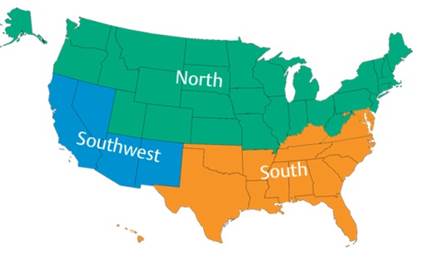
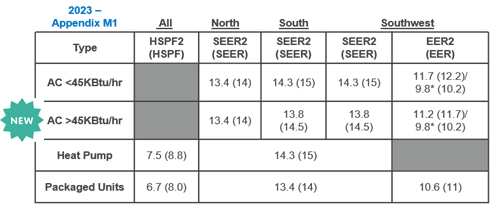
All regions (North, South, and Southwest) will increase by the equivalent of one SEER in 2023, which will result in a lower amount of electricity used for the same amount of cooling. The North will see an increase from 13 to 14 SEER, and the South and Southwest will increase from 14 to 15 SEER. Heat pumps will have a national increase from 14 to 15 SEER. This represents a 7-8% increase for SEER across all fronts.

You may notice the new labels will now list seasonal efficiency as SEER2.  This is because of new testing procedures for HVAC systems. The new procedures take into account higher default external static pressure to better represent field conditions. Higher static requires higher watts, reducing the resulting numeric efficiency rating. As a result, in 2023, efficiency metrics will change and be labeled as SEER2, EER2, and HSPF2.

2023 HVAC regulations

2023 HVAC regulations


All new products will require testing to these new procedures and metrics in order to be manufactured and sold as of January 1, 2023.


Why Are These Changes Taking Place?

The DOE periodically evaluates current technology, its efficiency, and the cost of that technology to find the right balance. More efficient systems reduce the energy needed to heat and cool homes and businesses and therefore cost less to operate, but usually have a higher first cost.

Impact on Contractors

New, redesigned equipment will begin to make an appearance ahead of 2023 in order to coincide with the transition.  Many of these systems will appear very similar to those available today. It is important to note that the 2023 requirements only apply to new systems, and existing systems will not need to be replaced if they are already installed and still function.

As with the last transition, the requirements are regional. Sell through of existing systems will be allowed in the North if the product was manufactured prior to January 1, 2023. This is not the case in the South and Southwest. Systems must comply with the 2023 federal minimums to be installed after January 1, 2023.

As a contractor, it is important to prepare for this change by making sure you are aware of the different federal minimum efficiency levels and compliance requirements across regions. Understanding the new standards and metrics (SEER2, EER2, HSPF2) will help both you and your clients feel confident moving forward with these changes. As 2023 approaches, you can ready yourself for the new efficiency requirements by learning the standards for your region and new technology specifics. The DOE website will contain useful materials on the topic, and your company and/or manufacturer may provide training courses or other resources to help you get up to speed.

As with previous standards, penalties will likely be implemented for non-compliance with the 2023 efficiency standards. The DOE will continue to enforce regulations, and instances of non-compliance will come at a cost to the manufacturers, distributors, and contractors. These penalties may include out-of-pocket equipment replacement or heavy fines for those caught selling or installing non-compliant equipment. To protect yourself and your business, keep detailed records of information pertinent to sales and models of equipment being installed.

Questions Homeowners May Have

When holding conversations with customers about the changes around the corner, you can help them feel at ease by being able to answer their questions. Be prepared to answer questions related to the following topics:

  • What are the new 2023 HVAC regulations?
  • Who is setting these new standards?
  • What is SEER and how does it impact HVAC systems?
  • What efficiency level is recommended for my region?
  • Do I need to upgrade my current unit?

Like with all changes to the industry, it is vital that contractors keep up to date with new standards and not be caught unaware.


Read Next: 2023 DOE Efficiency Requirements: Are you regulation ready?

Air Conditioning Basics: Two-Stage and Variable Speed Systems

When making air conditioning recommendations to homeowners, having a firm grasp on the best options available and communicating which system will best suit their specific needs is essential. What is most energy-efficient? Which systems operate at optimal speeds? What will deliver ideal home comfort levels? These are all questions that homeowners will be seeking answers to when shopping for a new system.

While many homes still use the standard single-stage air conditioner, two-stage and variable speed systems provide better load matching, efficiency, and dehumidification. Learning more about their differences and benefits can help you guide customers toward making the best choice for their homes.

Two-Stage AC System

A two-stage compressor (sometimes labeled as “dual-stage”) works at two different capacities. The system varies its output as compared to a single-stage compressor, which only offers one level. Unlike single-stage, which either operates at 100% capacity or not at all, two-stage compressors can operate at two levels: high and low.

Rather than running continuously, two-stage systems either run at full capacity or kick to a lower setting – usually at 60-70% capacity – which uses significantly less energy than constantly turning on and off. As a result of the energy savings, a two-stage compressor typically has a longer lifespan and requires less repairs.

Variable Speed AC System

A variable speed system operates across a capacity range, which provides maximum energy efficiency and ideal home comfort levels. This system will make slight adjustments to its speed as needed to circulate even cooling throughout the house, resulting in precise temperatures, desired comfort levels, and effective dehumidification.

Unlike single-stage or two-stage systems, variable speed compressor systems rarely turn off. Instead, they typically operate below 100% capacity while varying speed to best maintain indoor setpoints. Since this system does not frequently power on and off, it provides substantial savings on electricity costs and generally allows for a longer lifespan.

Benefits of Each System

The two-stage air conditioning system is a good middle ground between the lower-end of single-stage and the higher upfront cost of a variable speed system. Compared to a single-stage system, it will save on energy costs while usually costing less than a variable speed system to initially install.

Variable speed systems run the most efficiently and are also quieter than most other air conditioners since they typically run at reduced speeds. These systems tend to offer the most savings on energy costs and provide better control over home temperature and humidity levels.

How to Choose the Best System

When helping homeowners come to the best decision for their home and lifestyle, find out what their long-term plans are. If they plan to stay in their home for several years, a variable speed system will save money and energy in the long run despite a higher installation cost.

On the other hand, if they are planning on staying in one place for a short amount of time, considering a two-stage system might make the most sense. Keep in mind, however, a higher-end air conditioning system could help improve the home’s resale value.

The size of the house also plays a factor in determining the best option. Newer systems like variable speed are often larger than older systems, such as single- or two-stage. It is important that there is enough space to house the equipment properly.

There are always more considerations, but they will likely be specific to the individual homeowner. In the end, it comes down to what will best fit the home, preferred lifestyle, and budget.


Read Next: What Is The Difference Between Rebuilt Compressors Vs. Remanufactured?

Rebuilt vs. Remanufactured Compressors

Central AC Not Blowing Cold Air? Here’s What to Do

On a hot summer day, your AC failing to blow cold air is the last thing you want. It seems it’s always during the hottest part of the summer that you realize your system is pumping out air but not cooling to the set temperature. What’s going on with your air conditioner, and what can you do to fix the problem?

Air conditioning systems typically include several parts that make up a whole, and the issue can stem from any individual part. Systems may include an indoor and outdoor unit, evaporator coil, air filter, thermostat, copper tubing, etc. Sometimes you as the homeowner can troubleshoot and fix the problem yourself, and other times you will need to contact HVAC support for a technician to come out and take a look.

There are several reasons why your air conditioner may not be blowing out cold air, and there are some steps you can take to remedy this situation.

Reasons Why AC is Not Cooling


Thermostat Check

One of the simplest reasons for AC to run without cooling off your home may be that the thermostat is set incorrectly. Check to make sure that the temperature setting is on cool. If the switch is set to “on” or “fan”, change it to “automatic” and see whether that starts to make a difference. When the thermostat is set to “on”, the fan runs continuously even when the air is not being cooled. Sometimes a change in the settings is all you need.

Dirty Filter

If your thermostat is set up properly and the issue persists, you should next check the system’s air filter. It is there to catch airborne dirt and particles and over time becomes filthy. A clogged filter inhibits airflow, reducing cooling throughout your home.

Remove and inspect your air filter. If two or more months have passed since changing it out, or if it is too dirty to see through, replace the filter and see whether that solves the problem.

Dirty Condenser Unit

The condenser, which is located outside, collects heat from your home’s interior. If the condenser coil is jammed with dirt, grass, or other debris, it is unable to release the heat built up in its system. This can lead to AC malfunctions and sometimes even a system shutdown.

To clean the coil, carefully clear away the dirt and debris and gently rinse it with a hose. Do not use high pressure so that you don’t bend any of the “fins” that make up the coil.

Frozen Evaporator Coil

The evaporator coil is located in the indoor section of your AC system. Warm air flows into the evaporator coil, removing heat and humidity from inside and pumping cool air into your home. The evaporator coil may be frozen if you notice excess condensation near the indoor unit, insufficient ventilation, or frost build-up on refrigerant tubing.

Refrigerant Leak

Refrigerant is necessary for cooling. It flows through the condenser and evaporator coils and draws heat energy from indoors to release it outside. A refrigerant leak prevents heat absorption and can cause a lack of cold air to blow. If you see ice buildup on your outdoor unit or feel warm air coming from your ventilation, this is often a sign of a refrigerant leak.

Damaged Heat Pump

Some AC systems may include a heat pump as the outdoor unit. It functions similarly to a regular AC unit and may be prone to the same sort of problems. Check on the thermostat settings, air filters, and for signs of clogged coils if the heat pump is not providing cooling to the interior.

While you can fix some of these problems on your own through regular checks and cleaning, you will need to contact an HVAC technician to come out for other major issues. When in doubt, bring out an HVAC professional to assess your system so that you don’t risk causing further damage. By maintaining your system and having regular inspections, you can ensure that your system remains running in pristine condition.


Read Next: Thermostats: Keeping Your Home Cool During Summer

Keep your home cool during summer

A Contractor’s Guide to Humidity Control

Comfort Basics

Humidity is a key factor when it comes to interior comfort. Low or high RH can cause physical discomfort for the occupants and can damage products inside the building such as instruments or hardwood flooring. High humidity over time can become a health hazard, creating an environment for mold and bacteria growth, especially in levels above 50-70%. Interiors with high humidity are an ideal space for odors to develop, asthma to worsen, and condensation that can damage buildings.

Comfortable interior humidity levels vary based on location and climate. ASHRAE Standards state that the ideal ranges for comfort in the winter are 68 °F – 74 °F at 40-60% relative humidity. In the summer, this range is 73 °F – 79 °F at 40-60% relative humidity. These levels provide the best levels for comfort and for preventing unwanted microorganism growth and changes to building materials and fixtures.

Challenges with AC Sizing

As homes have become more energy efficient with better insulation and ventilation, contractors have been able to rethink AC sizing since cooling loads have shrunk over the past several years. However, although cooling loads have shrunk, latent loads (which involve moisture and humidity) are not as readily reduced. Because AC sizes have been optimized to better meet cooling loads, they may not be optimized for latent heat (humidity in the air) removal. More than ever, it is important that HVAC systems are correctly set up to remove moisture. If they are not properly installed to maximize humidity control, a possible result is cold and humid homes where the moisture in the air can develop into mold and cause structural damage.

Naturally, if the air conditioner is too small for the building, it will not be able to remove all of the humidity in the space or provide the proper cooling at times. On the other hand, when an AC unit is oversized, the system does not run as frequently due to its larger size. It quickly brings down the temperature, but the humidity itself is not removed in such a short time.

Now, it is more important than ever to perform a load calculation and determine the heat loss and gain of every building where an HVAC system is going to be replaced.

Fan Speed Adjustments

To ensure that the building’s HVAC system is working at maximum efficiency for controlling humidity levels, the fan speed needs to be checked and adjusted if needed. Any changes will be based on the size of the AC paired with the furnace and ductwork capabilities to make sure that the setups and sizes match and run together efficiently.

Lowering the fan speed is one way to control a large amount of interior humidity. A colder evaporator coil can remove more moisture from the air, but it is important that the evaporator coil doesn’t freeze. This would mean that it could no longer absorb sufficient heat and would block air from blowing across the evaporator coil; a condition like this can damage the compressor. Make sure to first understand what the thermostat, blower board, and motor are capable of and are already doing before making adjustments. Another precaution to keep in mind is that if the fan speed is overly low and is combined with an Electronic Air Cleaner, ozone may be produced, causing harm to the occupants’ health.

Unfortunately, when the fan remains running at a slower speed, this can lessen the overall efficiency of the system. However, when the AC works continuously at a low speed, interior humidity is reduced, and temperatures are more balanced.

Summary

In order for your HVAC system to run correctly and dehumidify the interior space efficiently, your equipment needs to be sized correctly before installation or replacement installation needs to be done properly with fan speeds set to the desired speed for a balance of efficiency, even temperatures, and moisture reduction. Equipment controls should also be set to a point that will best optimize the system.


Read Next: Top 5 Things a Homeowner Expects in Their HVAC System

humidity control