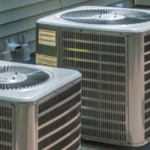
The air conditioning needs of the muggy, humid southeast summers require different methods for sizing and equipment selection than the hot, arid summers in the southwest. In certain parts of the country, the quality of electric power distribution causes brown-outs or worse.
Because air conditioning systems tend to last for more than a decade most people don’t have a need to keep up with the latest trends. But today’s available systems may be more sophisticated and efficient than the one currently in your home if it is more than 6-8 years old.
There are inherent benefits to cooling the whole house including better air circulation, filtration and the elimination of cold or hot spots. However, there are times when cooling the upstairs bedrooms don’t make sense if no one is sleeping in them. There are two real options to successfully zoning your cooling space.
Just about every basic central air conditioner on the market will produce cold air throughout your home if it’s installed and sized correctly. However, there are some features of high efficiency systems that are often worth the additional price when you take more than just the initial purchase cost into consideration.
If you have to replace a system the first thing most people think is, “give me the same thing I had.” In most cases whatever size you had before will work for the replacement system, but there are circumstances where it will not.
Ultimately this question is best answered by a qualified contractor, but there are some general rules that can help guide your conversation. Depending on the age, how often your system runs and where you live you could be better off replacing rather than repairing it.
One of the easiest ways to save money on your energy bill is to stop cooling or heating your home when no one is there. The easiest way to do that is by using a programmable thermostat. Rather than waking up to a chilly house, or walking in after work to a home that feels like an oven, a programmable thermostat allows you to control when your home needs to be cooled or heated, and when it doesn’t.
Few things are as enjoyable on a cold winter night as sitting next to a warm fire. But the reality is that you might be sending your energy bill up in smoke. More than 100 million homes in North America are built with wood or gas burning fireplaces and nearly all of them can contribute to energy loss.
Saving money by saving energy doesn’t have to be difficult. Over the course of time, these savings can really add up. Consider the following five tips to help save you money and keep you comfortable.