“Why not just invest that money in a whole home HVAC comfort solution that works for every room in your house all day and night instead of in a single bed?”
Sales of air conditioners in the US are largely dependent on weather. I know that sounds obvious but what you may not know is that there is government tracked metric that shows how hot one summer was relative to past summers.
If you’re building a home and getting ready to make the important decision about your heating and cooling system, you might want to consider some new ways of thinking about your future HVAC needs.
November is the traditional time of giving thanks for all the good things in our lives. For most of the country though, by the time the Thanksgiving holiday rolls around, we are usually only thankful for “winter things,” like “shelter from the cold” and warm “comfort food.”
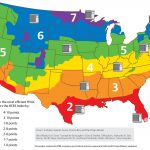
All systems produced before the January 1 deadline will have the current SEER rating label (hang tag) and these systems can be sold in all regions (including the southeast and southwest regions) for an 18 month period which ends on July 1, 2016.
Anyone who has ever eaten in a hot, humid restaurant would agree – comfort is critical to enjoying any dining experience. Restaurants face tough air conditioning challenges. Food preparation areas produce significant humidity from dish washing, cooking and hot beverage service. Just a few feet away from the kitchen, customers and staff want a comfortable environment.
R-22 specified equipment makes up the largest portion of the current U.S. air conditioning residential installed base, and over the past few years the price of R-22 refrigerant has increased to the point where homeowners are starting to look for alternatives.
This article attempts to explain three distinct references of the words “variable speed,” and why it is important to understand the context of this technology application. Many compressor manufactures have already launched variable speed products (or have plans to do so shortly) and this article should help frame your discussions in the best possible context.
I recently stopped by an old friend’s house, at which his AC unit happened to be down. He was quick to explain that the AC unit would run fine, until about 4-5 minutes into the call for cooling cycle, in which the indoor blower motor would stop. Knowing that I have been working in the HVACR industry the past 25 years, he asked me to troubleshoot the cause of the malfunction.
Industry data indicates that 70 percent of consumers consistently purchase minimum efficiency and minimum featured HVAC systems and only 30 percent buy the higher featured and more efficient models. This is all true despite our sponsored research, which indicates that almost 70 percent of homeowners surveyed prefer systems that offer superior energy savings and comfort or created less impact on the environment.