Preventing Indoor Mold Growth

Preventing Indoor Mold

Managing the humidity levels in your home is extremely important to create a comfortable living space. Humidity levels that are too high or too low can cause health problems for you and your family, including mold.

The ideal relative humidity for your home should be somewhere between 30 and 50 percent. You may start to experience issues if humidity levels rise above or below that range. Mold growth is common with high levels of humidity, and it can be extremely harmful to both your house and your health. The good news is that there are ways to prevent it.

With longer runtimes, modulating systems remove more moisture from the air, preventing mold growth. And you want a system that can meet ideal humidity levels consistently. A two-stage system keeps home humidity within a safe range and would be a step in the right direction to help reduce the risk.

To read more about the benefits of modulating systems, read here.

Should Air Ducts be on Your Summer Cleaning List?

While most homeowners spend time dusting their woodwork and cleaning the windows, it’s easy to forget about the parts of your home that you can’t see. When was the last time your home’s air ducts were cleaned out? If your answer was about three to five years ago, you might consider adding air duct cleaning to your to-do list this summer.

Air Duct Cleaning

The National Air Duct Cleaners Association (NADCA) suggests that air ducts be cleaned out every three to five years. However, this time frame can change based on a few different factors. It can be difficult to determine when it’s time to have your air ducts cleaned.

Some good questions to ask yourself include:

  • Do you think there may be mold in your air ducts?
  • Have noticed an increased number of dust mites around your house?
  • Did you recently complete construction on your house?
  • Did you recently purchase a new home? If so, do you know the last time the air ducts were cleaned?
  • Do you have pets that shed frequently?
  • Do you or your family members struggle with allergies or asthma?

If you still aren’t sure whether your air ducts need to be cleaned out, the easiest way is to take a look and see if you notice any mold, dust or vermin. If so, it’s time to call a professional air duct cleaning service. We recommend reviewing a list of the NADCA approved professionals.

UV Lights – What’s the Glow? | Improve Your Home’s Indoor Air Quality

Improve Indoor Air Quality with UV Lights

Heating and cooling systems make homes and businesses comfortable places to live and work by controlling temperatures and humidity levels and circulating air. While this is beneficial if the air is clean, circulating contaminants can negatively affect indoor air quality. That’s why it’s important to make sure you have the right air cleaning devices installed.

A Simple Way to Improve Indoor Air Quality

One simple way to improve the air quality air in your home is to install ultraviolet lights in your HVAC system.

Improved indoor air quality can benefit your everyday life by:

  • Controlling mold and bacteria;
  • Reducing infectious diseases;
  • Reducing smells and odors;
  • And improving asthma.

How UV Lights Clean the Air

UV lights purify the air by killing mold and bacteria, ultimately funneling clean air into the HVAC system for circulation. UV lights remove contaminants by emitting a light that destroys their DNA makeup. The contaminant is then not able to repair itself and is considered non-threatening.

UV lights are not a one size fits all application. You need to consider the location and size of the HVAC system and the number of UV lights you’ll need. Consult your local HVAC contractor for help installing ultraviolet lights to breathe cleaner air.

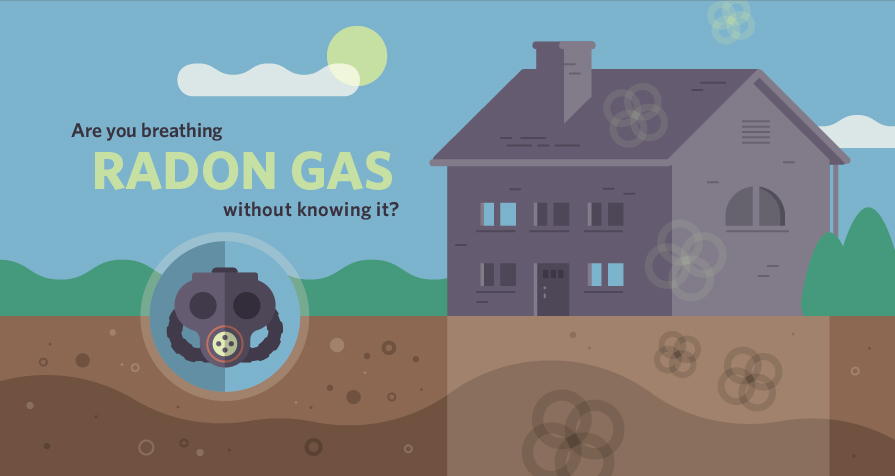
Are You Breathing Radon Gas Without Knowing It?

Frequently Asked Questions about Radon Gas

Are you breathing radon gas without knowing it?

What is Radon Gas?

Radon gas is a radioactive gas produced from decaying uranium in the igneous rock below the earth’s surface. Exposure to radon gas over an extended period of time has been linked to some forms of lung cancer. In fact, the Surgeon General and Environmental Protection Agency (EPA) have linked over 20,000 cases of lung cancer to elevated radon levels.

Should I be concerned?

Radon is present in all U.S. regions, but areas that have igneous rock layers are especially prone to elevated radon levels. You might see elevated radon levels in homes with basements and wells for water supply.

How do I know if the radon levels in my house are elevated?

Radon test kits can be purchased at a reasonable price through an HVAC contractor or on the Internet. There are short-term and long-term kits available.

Short-term kits typically run through a 30 to 90 day period. The sample is then delivered to the lab for analysis, and the results are sent back to the consumer.

Long-term kits last for an entire year. Long-term testing is often preferred because radon levels can shift as the seasons change whereas a short-term test may not capture the most accurate results.

What do I do if my radon levels are elevated?

Call your local HVAC contractor to have an analysis completed and install a radon mitigation system. These systems are simple, inexpensive and easy to have installed.

Shopping for a New Home HVAC System – What’s Right for you?

It’s easy to feel lost and overwhelmed when looking for a new HVAC system for your home, especially with all the unfamiliar choices. To navigate this confusing time and help you select the right system for your lifestyle, we’ve outlined some tips, key terms and information to consider when upgrading your system.

Find a Quality Contractor.

Finding a licensed contractor that you trust can be difficult. They’re not all the same, and they definitely don’t all charge the same amount. But it’s good to remember that good work usually isn’t cheap, and cheap work usually isn’t good. If you compare multiple quotes and learn the specifics of what each contractor is proposing, you’ll be able to make the best decision to meet your goals.

Consider Home Size.

First and foremost, the size of the area that you need to heat or cool makes a big difference in what system you’ll need. This is an important decision to consult a professional on. If done incorrectly, you could face many years of inefficient heating and cooling and expensive utility bills. Ask your contractor to perform a Manual-J Heat Load Calculation. This is a complex equation that factors in multiple variables about your home to determine the correct amount of heating and cooling it needs.

Check Your Insulation.

Before diving into the decision-making process, take a close look at your windows, doors and insulation. Any place where air may be escaping or entering your home causes your system to work harder, thus raising your energy bills. Before investing in a new system, be sure to inspect and repair the windows, doors and insulation throughout your home.

Know Your HVAC System Options.

A central heating and air conditioning system is usually the preferred option, but is a central HVAC system viable for your current home and financial situation? If your home is very old, it may not have the ductwork required to run a new central HVAC system, and getting these ducts installed can be expensive. The good news is that if you decide to move forward with installing necessary ductwork, your home’s value will likely increase by greater than or equal to the amount you invest. Nevertheless, this isn’t always the right choice for every homeowner, and there are plenty of alternatives to consider, including mini-split systems, window units, and evaporative or “swamp” coolers.

Create a Comfortable Home.

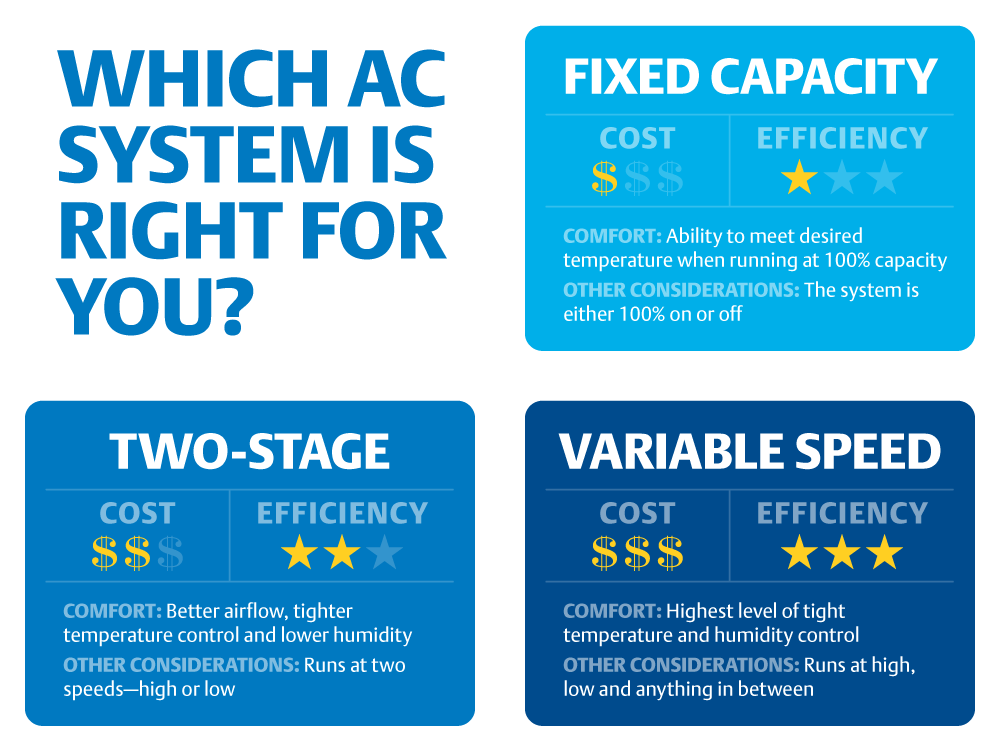
Single-stage equipment operates on a standard on or off setting, while two-stage equipment operates on either medium or full capacity. With two-stage equipment, you receive the added benefits of reduced cycling and temperature swings, increasing comfort at a moderate price. There is also variable speed equipment, which closely matches the load requirement. While variable speed equipment may have a higher initial cost, operational efficiency and system protection are improved through advanced diagnostics. A properly installed unit will also properly dehumidify the air, creating a more comfortable home.

Lower Costs by Choosing Efficiency.

Since many systems are not replaced for more than 15 years, a new heating and air conditioning system will typically have lower operating costs than your current system. The efficiency of your system is an important factor in determining how costly your monthly bills will be, so be careful not to go with the absolute cheapest option in this department. In addition, if you decide on a high-efficiency system, you may be eligible for utility rebates.

There are many different efficiency ratings that affect your system, so it’s a good idea to familiarize yourself with them.

  • Annual Fuel Utilization Efficiency (AFUE) measures gas furnace efficiency with 80 percent being the federal minimum.
  • Heating Seasonal Performance Factor (HSPF) is for heat pump efficiency, and an 8.2 HSPF rating is the federal minimum for a traditional residential split unit system.
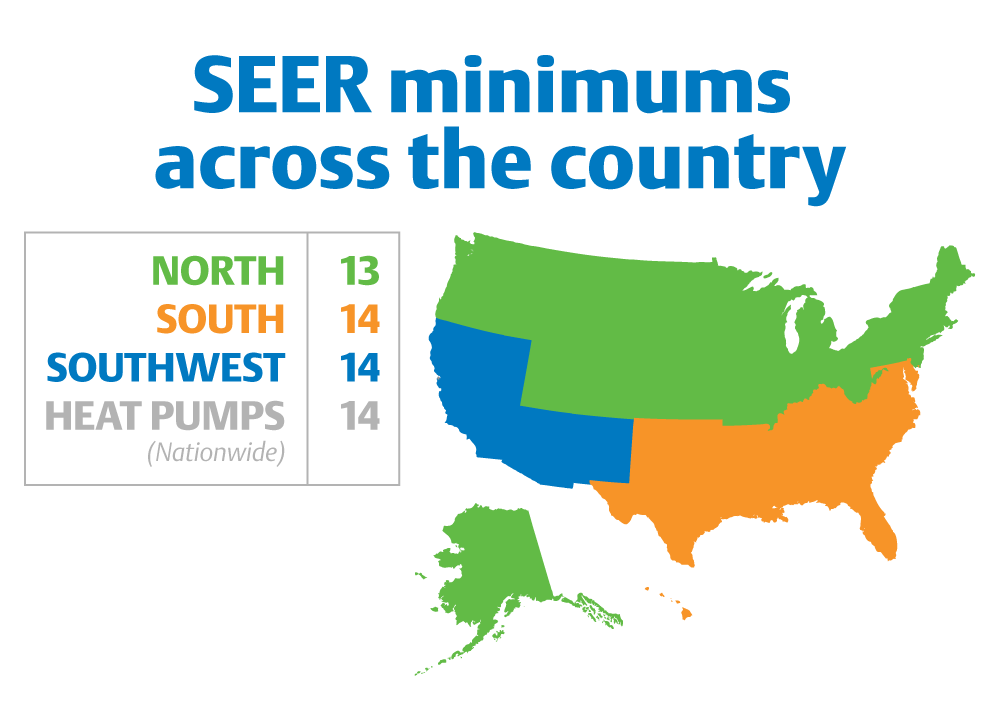
  • Seasonal Energy Efficiency Ratio (SEER) is associated with air conditioner efficiency with 14 SEER being the federal minimum in most areas. While some areas only require 13 SEER. A higher SEER rating indicates a high operating efficiency, which is always a good thing. Higher SEER = lower operating costs.


Summer is SEERing: Three questions to ask before purchasing a new HVAC

If your AC system fails, do not panic. Grab a glass of ice water and ask yourself these three questions to ensure your next AC system keeps you cool and cost-efficient.

1. Are you SEERing?

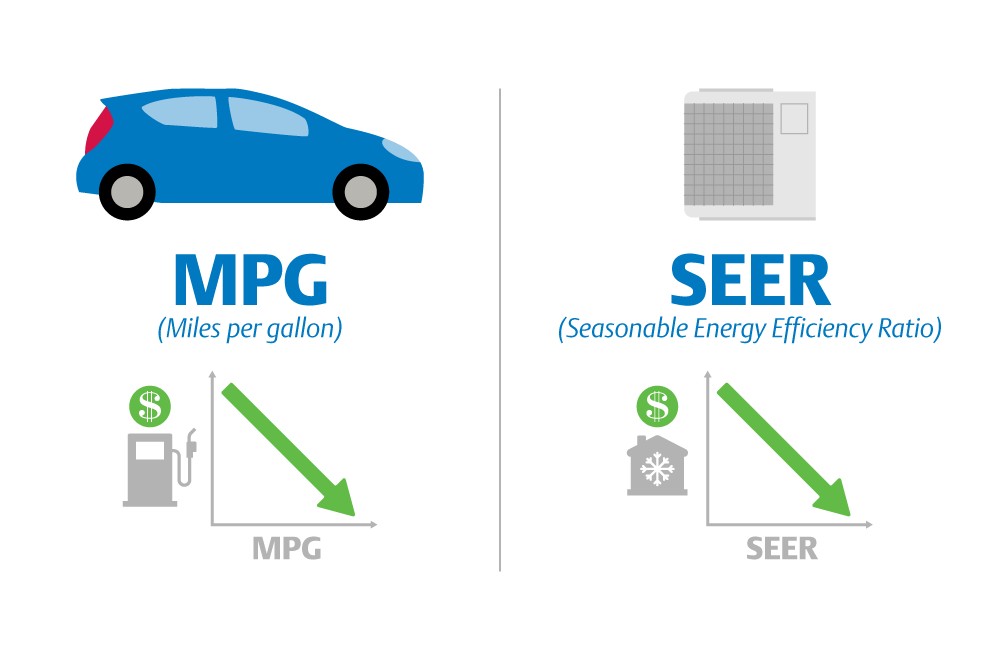
The Seasonable Energy Efficiency Ratio, otherwise known as SEER, tells you how much cooling a system puts out for each unit of energy it consumes over the course of a typical cooling season. Only 14% of homeowners know the SEER rating of their system, but it’s key to choosing the most efficient AC system.

seer-mpg-vs-seer

Think of it like your car’s MPG—the better the MPG, the less you have to spend on fuel.

So the higher the SEER, the higher the efficiency… and the higher the efficiency, the higher the savings. Plus, the higher the SEER, the better for the environment and your comfort, especially in the spring and fall.

seer-minimums

2. Which AC system is right for you?

AC systems last about 16 years before they are replaced (depending on geography and run time). Federal, state or local governments and utility companies offer incentives of direct rebates, tax credits, and tax reductions up to $1,000 per system (depending on your location and type of system).

Your options:

seer-ac-systems

Download this PDF here.

Did you know? A system that turns on and off less frequently costs less to operate.

3. What should you do next?

It’s time to get SEERious about your HVAC!

esaver_residential_app

Download the free Emerson e-Saver app for iPhone or Android to quickly calculate the annual energy cost savings of systems with various SEER ratings.

A Guide to Ensuring Good Indoor Air Quality

Homeowners Can Help Ensure Good Indoor Air Quality

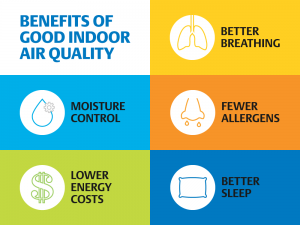
Most people think of air pollution as an outdoor problem, but indoor air quality has a major impact on health and well-being since the average American spends about 90 percent of their time indoors. Some of the benefits of good indoor air quality include:

good-indoor-air-benefits-header

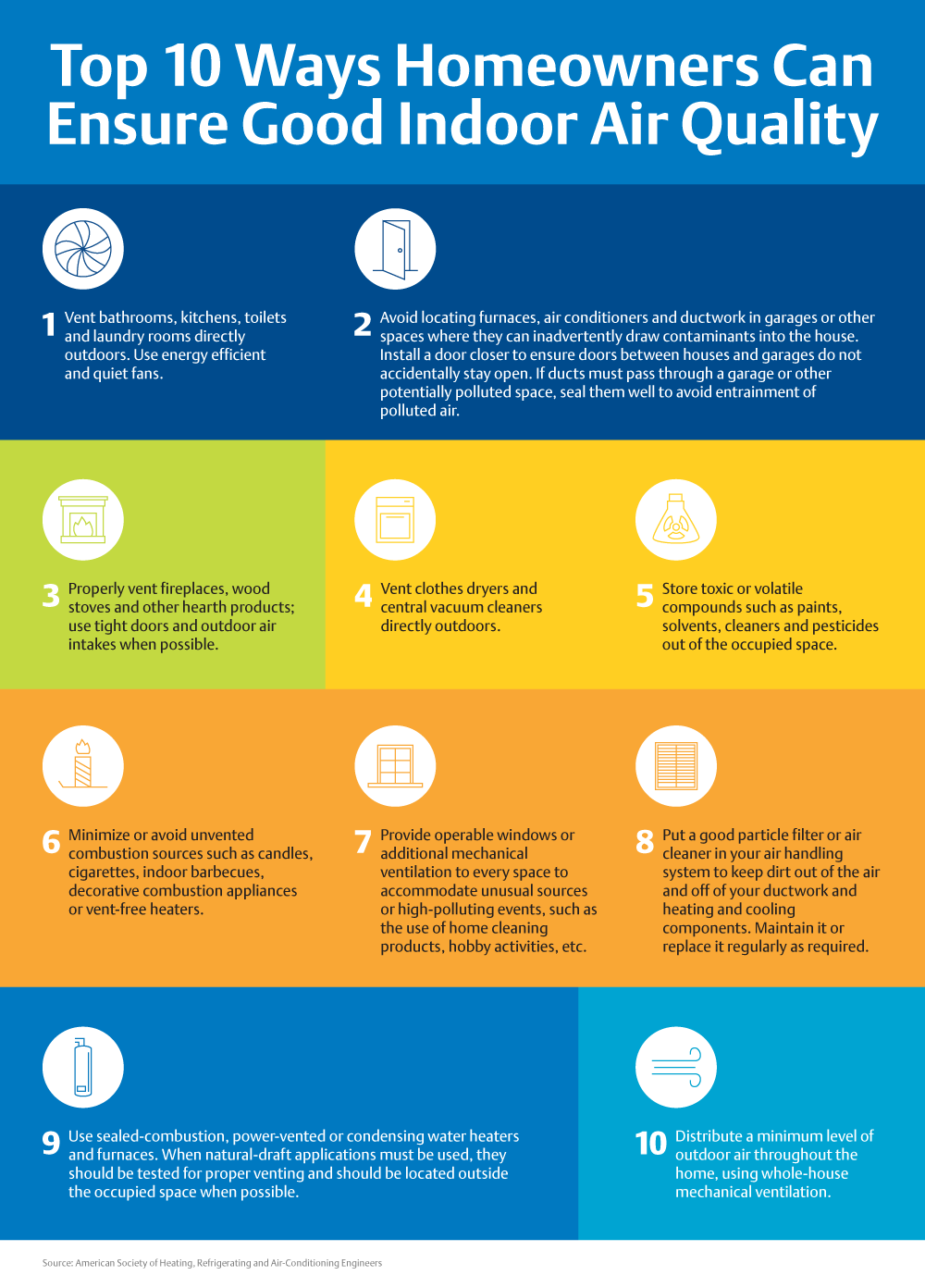
Proper ventilation is one of the most important considerations for maintaining good indoor air quality. Check out the infographic below for the top 10 tips for homeowners to improve ventilation and indoor air quality, or download the PDF version here.

iaq-blog-infographic

Is a Baseboard Heater Right for You?

Image credit: flickr.com

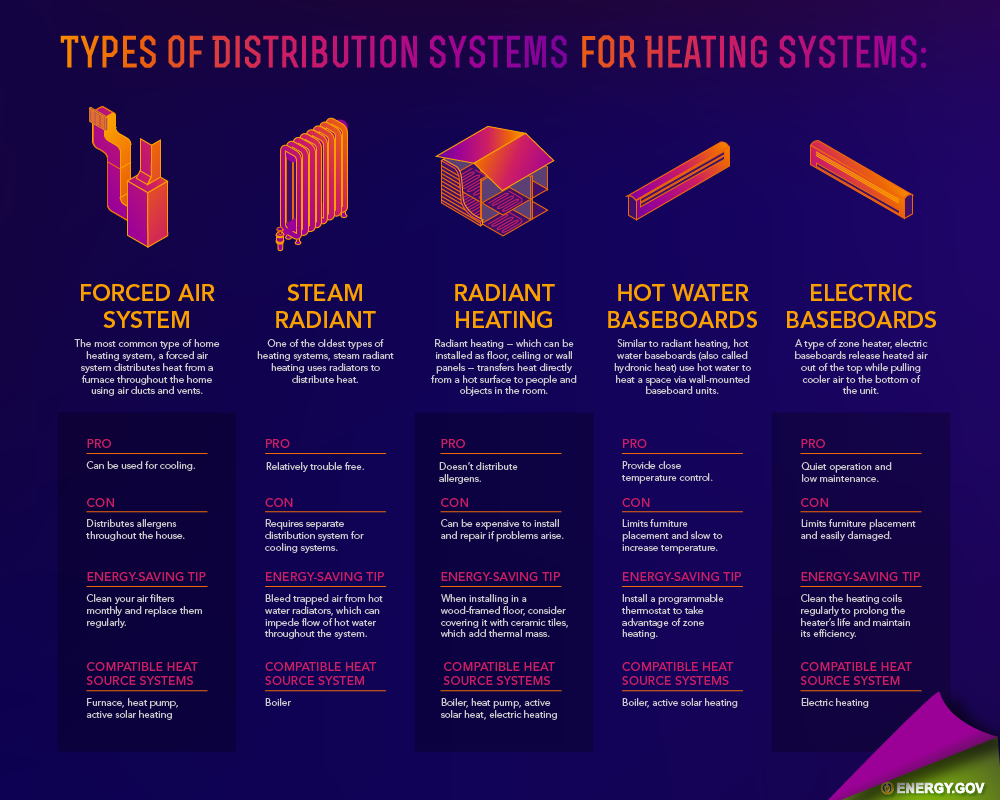
An electric baseboard heater is an electrical heating element inside a metal pipe. When the heater is turned on, an electric current flows through the heating element. This type of heater is really efficient to use for zonal heating (heating only occupied rooms in your home).

Using a Baseboard Heater

For unconditioned rooms or rooms that need supplemental heat, baseboard heaters are an ideal solution. Some homeowners use them for individual zone room heating. For example, a bedroom at night is conditioned by the baseboard heater and the rest of the house is put into a temperature setback to conserve on energy in unoccupied rooms. Baseboard heaters do not have a blower to circulate air so the heat generally stays in the same room as the baseboard heater. If you have a heater in a bedroom, do not expect the heater to also heat the hallway outside of the bedroom by simply keeping the bedroom door open.

To keep your baseboard heater working efficiently and circulating air properly, move thick carpet or rugs away from your baseboard heater. Ensure there are no obstructions that block the natural circulation of the heating air. Also, keep your heater free of dust and grime to guarantee it will work properly.
Source

Another thing homeowners must look out for is the location of the heater. The location of the unit often limits options of how a room can look. There are some recommended locations, such as under a window, but no matter where you place the heater there are some guidelines to follow. There must be at least 3/4 an inch above your floor and a few inches of clearance in front of the heater to allow the unit to properly function.

Deciding If It’s Right for You

Did you know?

  • In colder climates, heating your home costs more than any other system and typically takes up around 42% of your energy bill?
    Source: Energy.gov
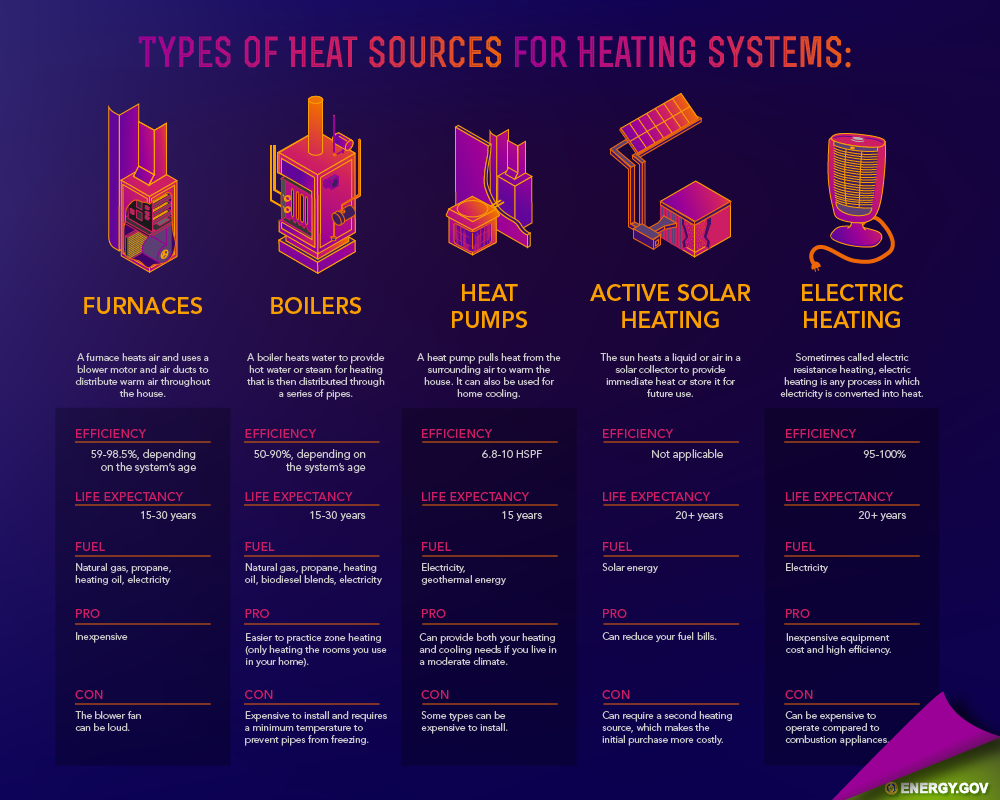
  • Today’s heat pumps can reduce your electricity use for heating by approximately 50% compared to electric resistance heating such as furnaces and baseboard heaters.
    Source: Energy.gov
  • Baseboard heaters are relatively inexpensive and easy to install; however, they are one of the most inefficient ways to heat your home.

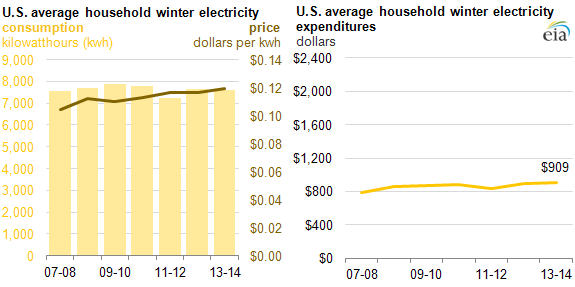
winter-electricitySource

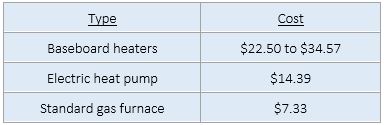
To generate 1,000,000 BTUs of heat (as of March 2013):

generate-heatSource
Additional Source

homeheating_heat-sourceshomeheating-heat-distributionInfographics Source

Premium HVAC Systems

In addition to high efficiency, other benefits of premium systems include comfort, humidity control, continuous airflow, zoning, and saving money. Also, new technology like Wi-Fi thermostats offers added convenience for a homeowner.

Host: Brandy Powell
Guest: Frank Landwehr, VP Marketing and Planning, Emerson Climate Technologies

Timestamps:

  • 0:08 – Welcome
  • 0:44 – Technologies for Homeowners
  • 2:08 – How to control humidity in your home
  • 5:30 – Benefits of continuous airflow
  • 7:12 – Zoning off sections of your home
  • 13:10 – Variable speed system benefits
  • 16:43 – Wrap-Up

Related articles and links in the discussion: