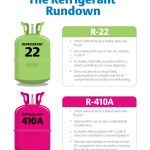
The next refrigerant transition we are anticipating will be driven by government regulating authorities’ desire to address concerns about “global climate change” or “global warming”.
One aspect of a home or business’ heating and cooling system that is often overlooked is the electrical usage monitoring system, most commonly seen through meters installed outside a home or facility.
The most common objection you hear when talking to customers about various levels of air conditioning systems probably has to do with price. While this is a challenging hurdle to overcome, many times customers fail to assign costs to aspects of their life that are often overlooked, but greatly valued.
Air conditioners, furnaces and heat pumps all have different regulations and different rating criteria. It is important to keep these ratings in mind when you are comparing various systems from different manufacturers as they will tell you the true performance characteristics of each. Because these can be confusing to read, below is a brief summary on the ratings and what they mean.
As more systems require replacement due to age, or repairs that make it more economical to replace, one of the questions likely to come from a homeowner is about refrigerants. Homeowners can find a mix of confusing information online so following the guidelines below can help provide clear, concise answers when talking to your customers.
We asked two licensed contractors to share some advice and best practices on things homeowners can do to prepare for a contractor visit, maintain their system, and have an overall positive experience with their air conditioning and heating system.
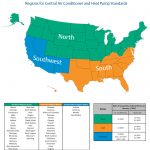
The Energy Independence and Security Act of 2007 provided for the next round of government regulated standard efficiencies allowed for air conditioners sold in the Unites States.