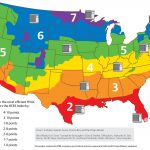
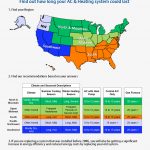
All systems produced before the January 1 deadline will have the current SEER rating label (hang tag) and these systems can be sold in all regions (including the southeast and southwest regions) for an 18 month period which ends on July 1, 2016.
Anyone who has ever eaten in a hot, humid restaurant would agree – comfort is critical to enjoying any dining experience. Restaurants face tough air conditioning challenges. Food preparation areas produce significant humidity from dish washing, cooking and hot beverage service. Just a few feet away from the kitchen, customers and staff want a comfortable environment.
R-22 specified equipment makes up the largest portion of the current U.S. air conditioning residential installed base, and over the past few years the price of R-22 refrigerant has increased to the point where homeowners are starting to look for alternatives.
I recently stopped by an old friend’s house, at which his AC unit happened to be down. He was quick to explain that the AC unit would run fine, until about 4-5 minutes into the call for cooling cycle, in which the indoor blower motor would stop. Knowing that I have been working in the HVACR industry the past 25 years, he asked me to troubleshoot the cause of the malfunction.
Significant changes are coming to ANSI/ASHRAE/IES Standard 90.1-2010, which is the energy standard that covers most commercial buildings. Contractors and facility managers should be aware of the impact of these higher requirements and of the many ways to reduce building energy use and costs.
You are probably aware of the new Regional efficiency standards affecting residential air conditioning and gas furnace systems as well as the lawsuit by APGA and HARDI challenging the Direct Final Rule for implementation.
On Tuesday March 11, a settlement motion was filed with the U.S. Court of Appeals for the District of Columbia Circuit. If the court were to accept the settlement, then what is specified in the joint agreement would determine how the law will be implemented. A settlement was recently reached, and the following is our understanding based on the information that HARDI has released.
Even though there will be a grace period for selling equipment manufactured before January 1, 2015, all of the equipment manufactured after that date will feature the new label. All equipment installed after June 30, 2016, must be in compliance with the new regulations, and it is important that all contractors and HVAC technicians become familiar with the new labels and methods of determining compliance.
The U.S. Department of Energy (DOE) recently announced changes to regulations regarding residential, central air conditioners. Historically, residential air conditioning regulation changes have mostly affected equipment manufacturers and contractors who build and install your equipment.