On Tuesday March 11, a settlement motion was filed with the U.S. Court of Appeals for the District of Columbia Circuit. If the court were to accept the settlement, then what is specified in the joint agreement would determine how the law will be implemented. A settlement was recently reached, and the following is our understanding based on the information that HARDI has released.
Even though there will be a grace period for selling equipment manufactured before January 1, 2015, all of the equipment manufactured after that date will feature the new label. All equipment installed after June 30, 2016, must be in compliance with the new regulations, and it is important that all contractors and HVAC technicians become familiar with the new labels and methods of determining compliance.
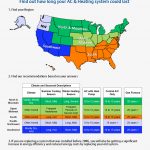
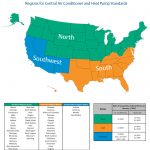
The U.S. Department of Energy (DOE) recently announced changes to regulations regarding residential, central air conditioners. Historically, residential air conditioning regulation changes have mostly affected equipment manufacturers and contractors who build and install your equipment.
It is generally a good idea to consider doing some basic maintenance on your air conditioning and heating system at the beginning of every heating and cooling season. This past winter’s “polar vortex” has been especially tough on outdoor equipment. These ultra-low negative temperature spikes, along with the extended times below freezing, can affect your home air conditioning system’s Spring start up.
There appears to be some concern about what is really going to happen when the new, residential unitary air conditioning efficiency regulations go into effect later this year so we put together a list of questions and answers to help HVAC contractors keep current on what they need to know about these new standards.
Industry regulations can be complicated, but we’ve developed a list of terms from A to Z that will help contractors and facility managers better familiarize themselves.
Chiller efficiencies for air and water cooled chillers will be significantly increased in 2015. An addendum to ANSI/ASHRAE/IES Standard 90.1-2010, Energy Standard for Buildings Except Low-Rise Residential Buildings, continues the energy efficiency improvements that were implemented in 2010. The efficiency requirements increase overall annual energy savings by 8.3 percent compared to 2010.
Anyone who has ever addressed a crowded room would agree – comfort is critical to participation and creating an overall positive experience. Many studies have concluded that air conditioning is the most critical factor in providing a comfortable, climate controlled environment for learning.